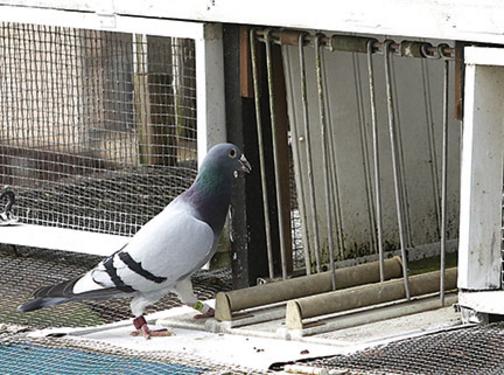
Pigeon Care and Choosing the Right Loft
Some type of housing is needed for your new pigeons. Loft designs are many and variable. Mostly they suit the owner as to the ease and comfort of taking care of their birds. Missouri Illinois Combine Members are willing to help new flyers with design, structure, and material knowledge.
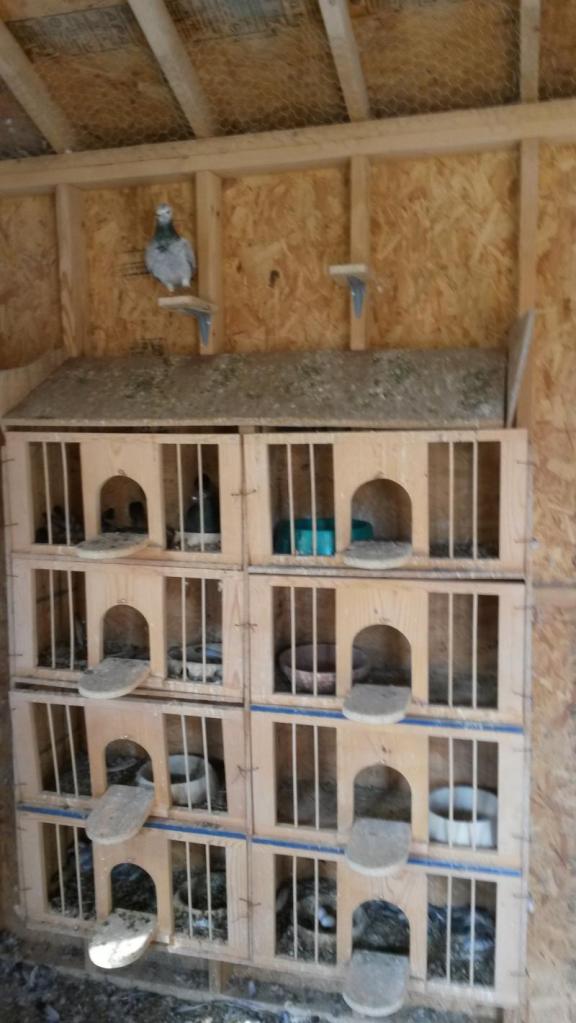
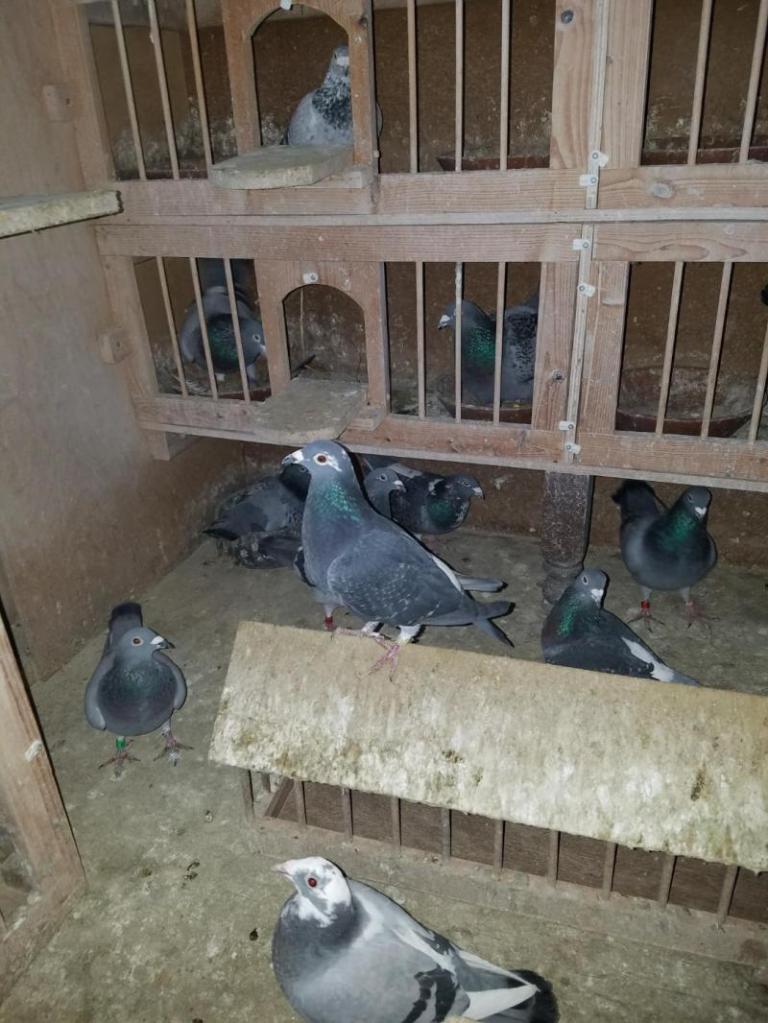
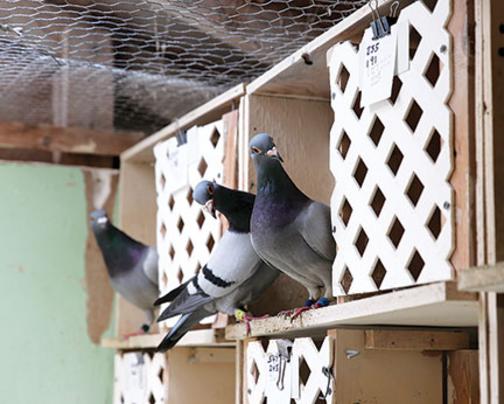
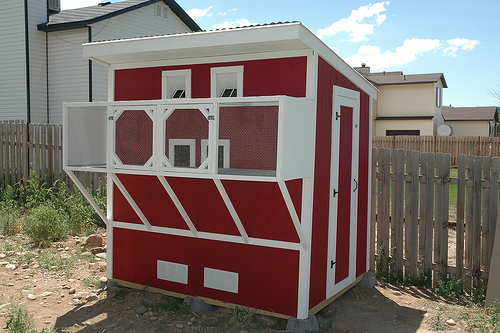
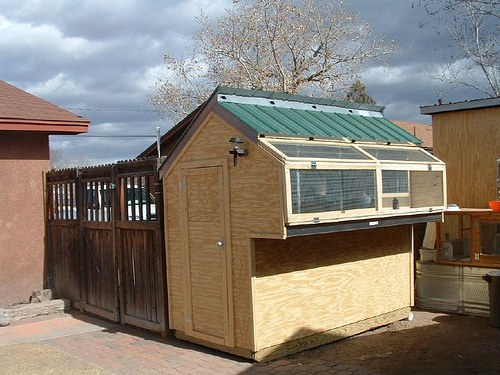
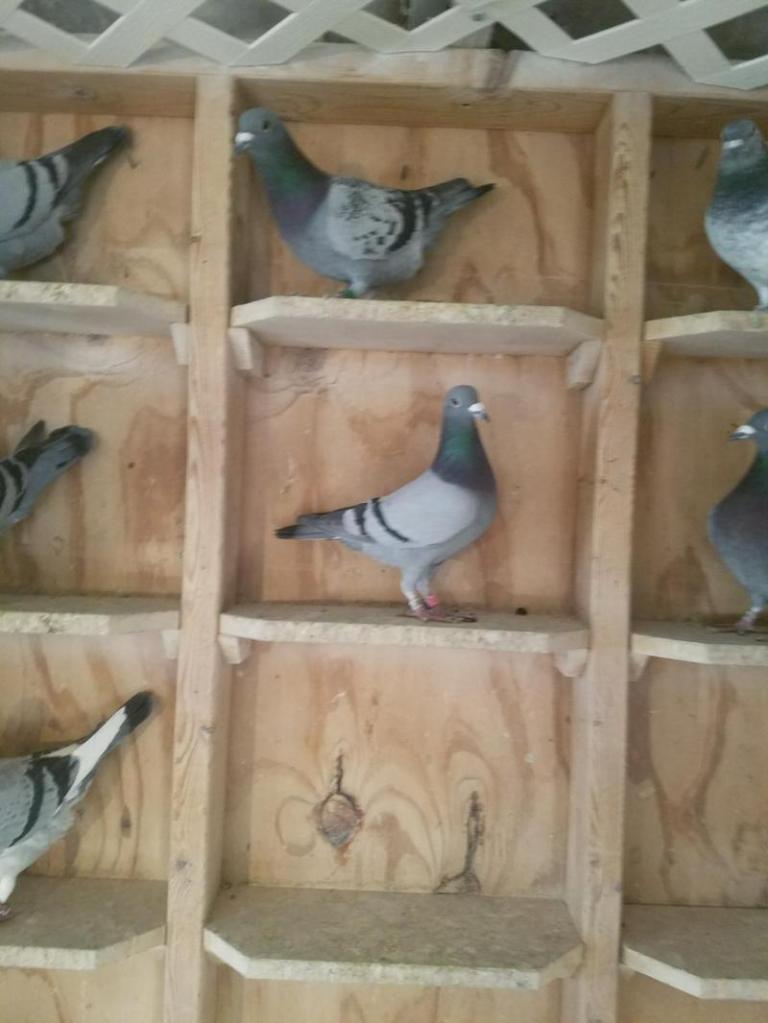
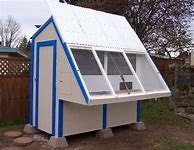
Feed, water, and the everyday care of having racing pigeons is very easy, which leaves plenty of time to enjoy the pleasure of the competition and camaraderie of your fellow members. Young pigeons or stock pairs of breeders are easily obtained by speaking to any of the Missouri Flyers Combine members. They will be very helpful with getting a new flyer started.
You become the coach and manager of your pigeon racing team. They will perform to the regimes that you implement. Sometimes a new member will have the experience of a seasoned pigeon fancier to help guide him or her along the way.
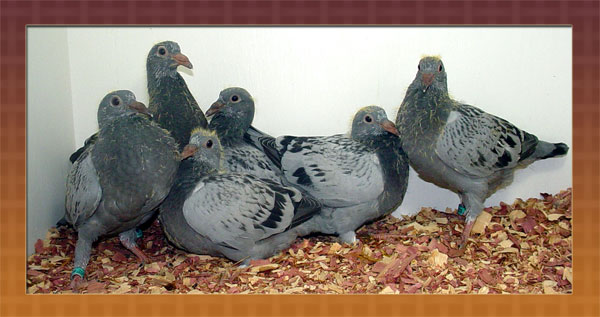
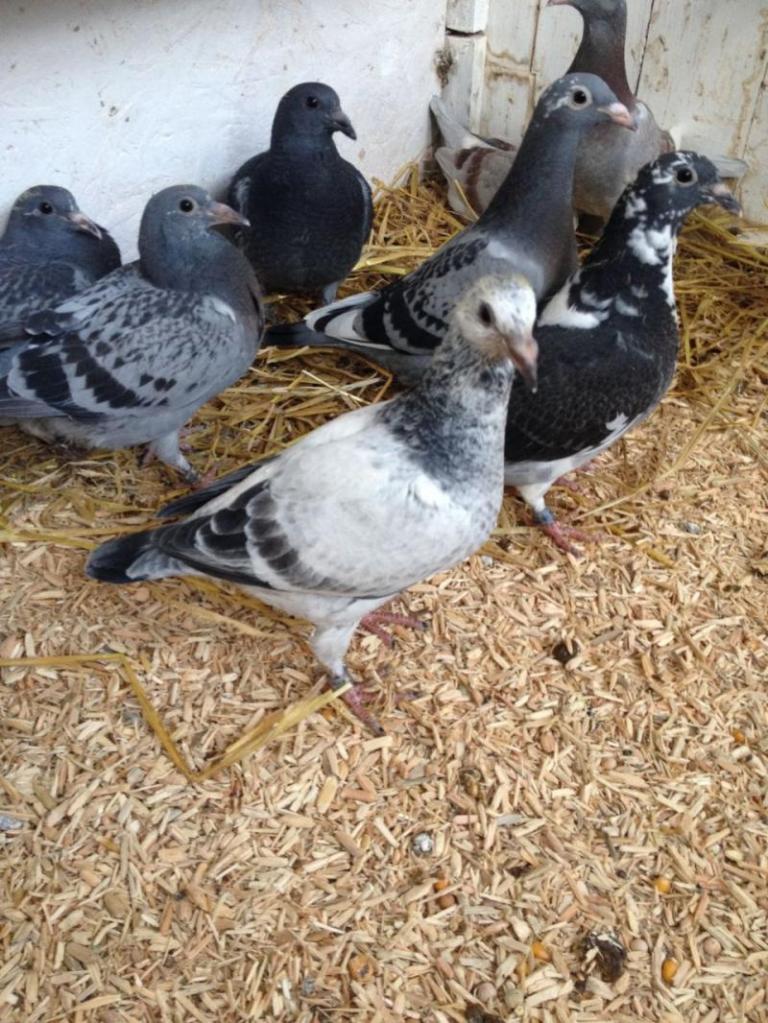
Start your pigeons’ training program when they’re 6 weeks old. At 6 weeks you can help your pigeons figure out the trapdoor in your pigeon loft. The trapdoor is designed to allow your pigeons to get into the loft anytime they want, but you’ll be able to set the trapdoor to only let them out when you want.
The coop must stay dry — pigeons don’t like wet environments. Lining the floor with straw or shavings, and cleaning it regularly usually keeps it dry and free from molds. Provide plenty of strong perches and avoid overcrowding your birds.
Place a shallow bowl of water in the aviary for pigeons to bathe. Make sure you clean the bowl after each bathing session. Water should be clean and fresh. So, change the water regularly. Muddy water and dirty water are unhygienic for homing pigeons. Many diseases spreads through water, so use only clean water. Use water vessels from pet shops in the market for watering them. Drinking water aids digestion and is also important for pigeons to bathe in – debunking the myth that pigeons are dirty.
The reputation that pigeons carry disease is incorrect.

They clean up the debris that humans leave behind, popcorn, bread, etc. It is the droppings that pigeons leave behind , like any animal, that may carry disease, not the pigeons. Those that live in cities keep themselves clean by frequently taking baths. .
It may be helpful to put together a training schedule so you have something specific to follow everyday. Training requires dedication on your part, so knowing what you have to be ready for each day will help keep the training consistent. The training schedule should allow for training to occur at least once a day, and either the method or distance being worked on should change once a week.
Begin training your pigeons to come home after being released. This part of the training can begin when your pigeons are coming home after routing away from home and coming back. Start by taking your pigeons 1 or 2 miles from home and releasing them. Use a cage or a basket to carry your pigeons to the release location. Do this several times a week. After 2 or 3 times, then you can take them further and further.
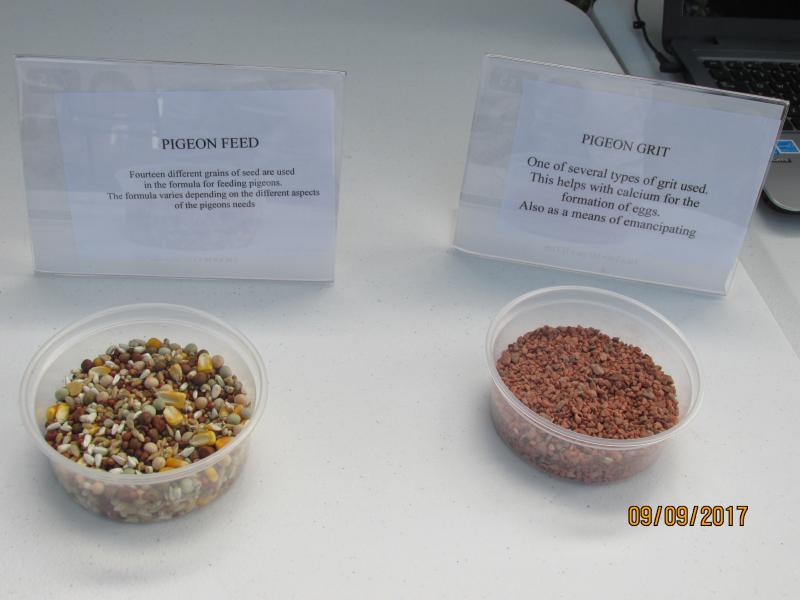
If you have racing or homing pigeons, add supplements to their food. Provide them with grit and/or oyster shells. The latter supplies extra calcium, and isn’t included in standard commercial pigeon feeds.
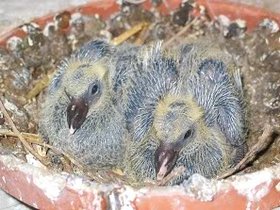
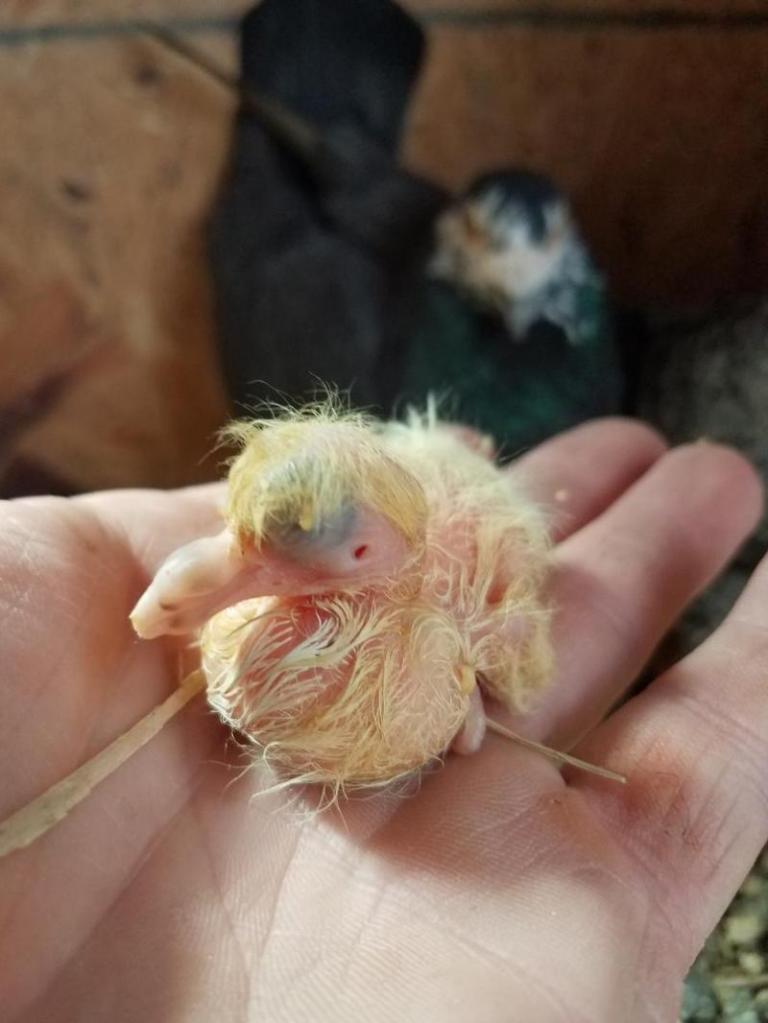
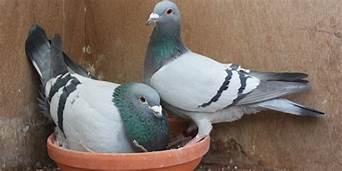
Pigeons reach sexual maturity at about 6 to 8 months. If your pigeon hen lays eggs and hatches chicks, she and her mate can do most of the work themselves regarding care of the offspring. Pigeons — both male and female — actually produce milk in their crops for their young. The crop is part of the digestive tract that produces milk. The milk is far healthier for squabs, or baby pigeons, than any other type of food.
Domestic pigeons don’t have access to lunch leftovers in the park, so their diet consists of their favorite food: grains, including corn, peas, wheat and sorghum. The grains are not cooked or popped — they are fed to the pigeons raw. Feral pigeons are known to eat vast amounts of human food like bread crumbs, popcorn and other leftovers. This leads people to believe that the bird is a scavenger and a nuisance, when all they are doing is cleaning up after people.
Pigeons swallow food whole, store it at the base of the throat, and then pass it into the digestive system. Pigeons need grit (small pebbles or rocks) to process their food so it can be broken down into nutrients. Pigeons fledge between the ages of 4 to 6 weeks. By that point, they can consume adult feed.
 MO-Ill Combine